

Public Transport in Barcelona
Practical Information, Tips, Tickets & Current Fares (2026)
Barcelona boasts a dense and well-developed public transport network. In contrast, parking in the city centre is expensive, and traffic jams are a daily occurrence.
On this page, we provide practical information and tips for using public transport in Barcelona.
You’ll also find downloadable route maps, up-to-date 2026 fare details, and much more.
The city is simply too beautiful to waste precious time navigating the fare system or figuring out ticket options on the spot.
Buying Tickets: Which Option is Best for You?
Planning ahead and knowing which ticket suits your needs can save you time and stress during your trip. To help you avoid confusion at ticket machines, we’ve compiled some insider tips for purchasing tickets.
Whether you need a single ticket, a 10-ride ticket (T-Casual), or a “Hola BCN” day pass, you’ll find all the necessary information and current prices here. With our guide, you can quickly and easily choose the perfect ticket for your Barcelona visit.
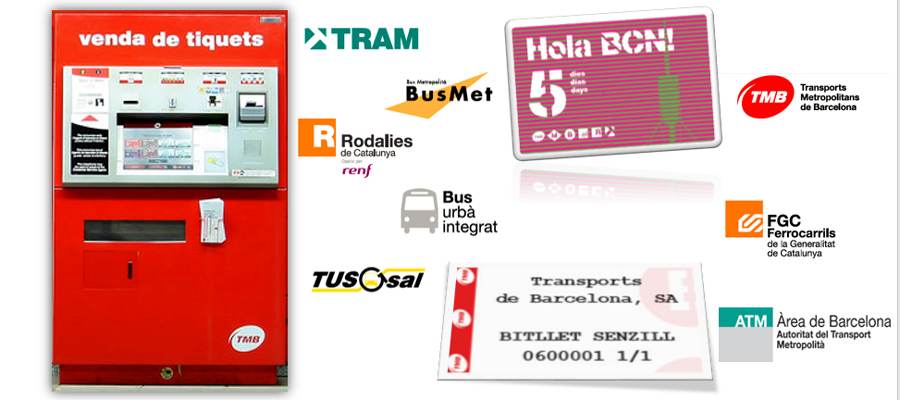
Choosing the right ticket before your trip will save you time and money in Barcelona.
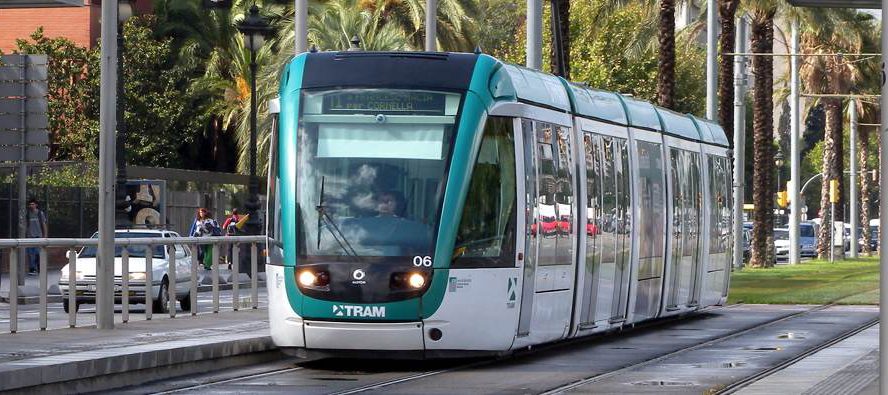
Barcelona’s public transport system is modern and efficient, making it ideal for exploring the city (Image: Ricardo Ricote Rodríguez, CC 2.0 license).
Our Tip: Hola Barcelona Travel Card – the ideal ticket if you only plan to use public transport
The “Hola BCN Card” is an ideal option for most visitors to Barcelona.
Your benefits at a glance:
- Unlimited travel:
Unlimited travel on the metro, buses, trams and Rodalies commuter trains for the entire validity period. - Metro to/from the airport included:
Airport metro travel is included (standard fare: €11.80 round trip). - Flexible validity:
Choose between 2, 3, 4, or 5-day options - Great value:
In 2026, it works out at around €8.92–€9.85 per day – excellent value for a major European city.
Convenient and time-saving:
You can buy your Hola BCN ticket online before you travel.
👉Go directly to the provider here (in English)
- No need to figure out the fare system – you can start using public transport right away.
- Save time and start your trip stress-free.
➡️More information: Hola Barcelona Travel Card – is it worth buying?
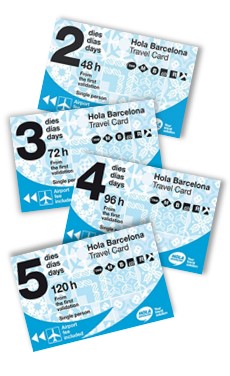
Hola BCN Ticket: affordable local transport incl. airport transfer – conveniently bookable online.
Public Transport in Barcelona: Zones, Prices, and Practical Tips
Public transport in Barcelona is organized into zones, which determine the fare, particularly for suburban trains like “Rodalies” and “FGC.” Below is an overview of the key points:
Zones and Tickets:
- The fare depends on the number of zones travelled through.
- Tickets must be purchased according to the number of zones required for your journey.
- A maximum of six zones can be paid for.
Most tourists remain within Zone 1
The Barcelona transport network encompasses almost 300 municipalities, making it an extensive area of over 100 km.
- Most attractions and the city centre are located in Zone 1.
- Tourists typically stay in this zone, as it includes Barcelona’s main points of interest.
⬇️ DOWNLOAD: Map of the Barcelona Public Transport Zones
➡️More information: Tickets for public transport in Barcelona and current prices (2026).
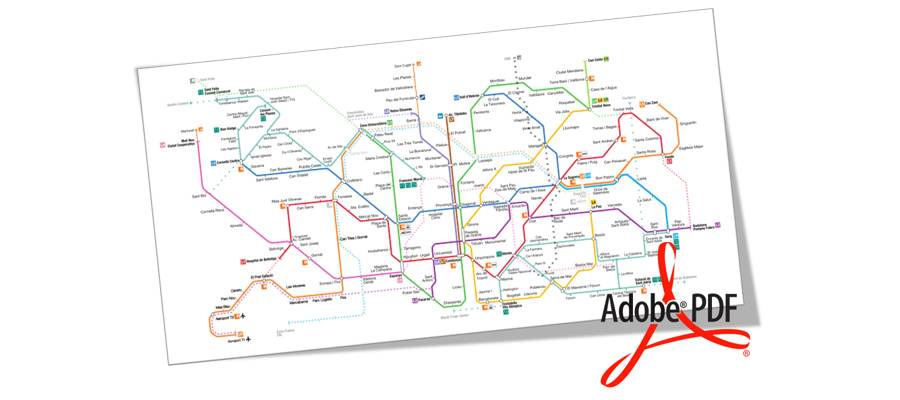
Overview & General Information About Public Transport in Barcelona
To help you prepare for your trip to Barcelona, here is a concise introduction to the city’s public transport network.
- Barcelona boasts an efficient and well-developed public transport system.
- The metro provides seamless connections between the city’s main districts through a dense network of lines, while buses and trams cover the entire urban area.
- Frequent service ensures minimal waiting times for passengers.
⬇️DOWNLOAD: Map of the metro, suburban railway, and tram lines in Barcelona
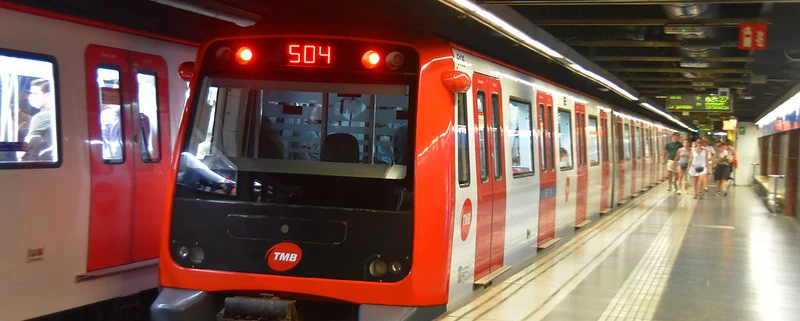
The metro is an excellent way to travel quickly and avoid traffic congestion. (Image: © John Carter)
#1 Barcelona Metro (Subway)
Connection to Barcelona-El Prat Airport:
Since February 2016, Barcelona Airport has been integrated into the metro network, offering:
- A fast and direct connection between the airport and the city center.
- A cost-effective alternative to taxis or private transfers.
➡️More information: By metro from the airport to the city center—travel times, ticket prices, stops…
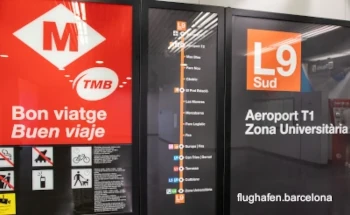
The L9 metro takes you quickly to the center of Barcelona (Image: travelguide.barcelona)
#2 City Buses Operated by TMB
Barcelona’s city bus network is also managed by Transports Metropolitans de Barcelona (TMB).
Currently, there are more than 100 lines covering almost every part of the city.
➡️More information: Details about TMB city buses
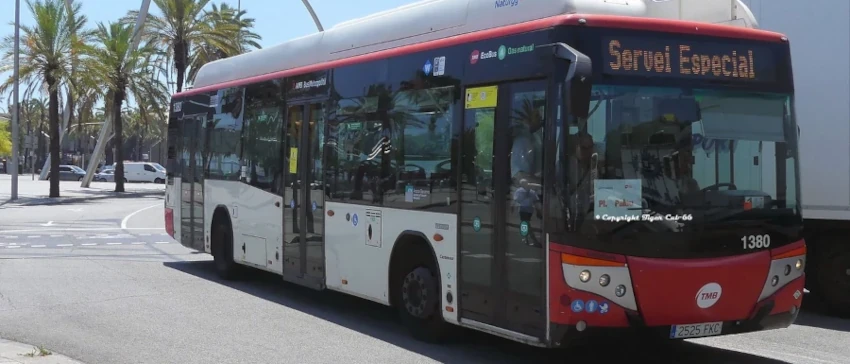
The red and white buses form the backbone of Barcelona’s public transport system (image: © tigercub66).
#3 Tram in Barcelona
Barcelona’s tram network has a unique feature: it consists of two separate, unconnected systems.
The tram lines are named after their respective final stops:
- The Trambesòs network serves areas toward Sant Adrià de Besòs.
- The Trambaix network connects to the Baix Llobregat district.
Modern trams have been operating in Barcelona since 2004. However, the Tramvia Blau, featuring its iconic historic trains, is currently (as of 2026) out of service.
➡️More information: Details about the tram system
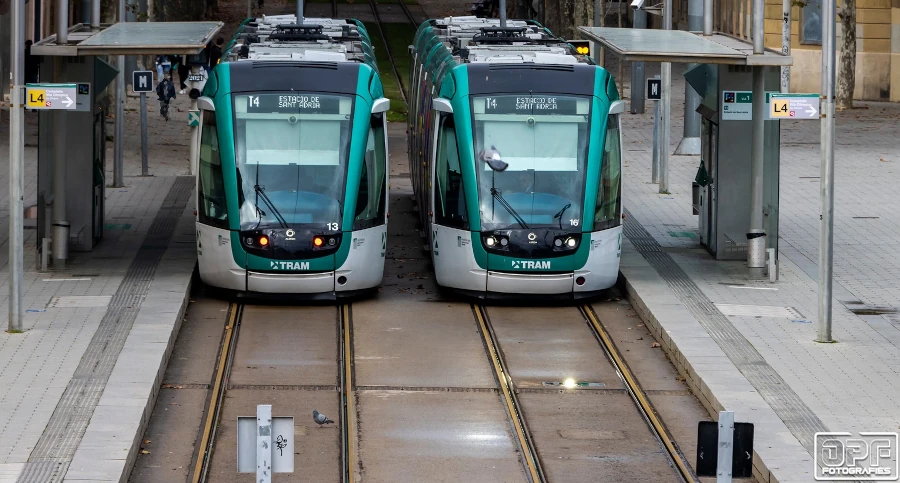
Barcelona’s six tram lines operate with modern, low-floor trams (Image: © Escursso).
#4 Suburban Railway: Renfe & Ferrocarrils de la Generalitat de Catalunya (FGC)
The suburban trains, or S-Bahn, operated by “Rodalies de Catalunya” (Renfe) and Ferrocarrils de la Generalitat de Catalunya (FGC), serve both the surrounding areas and the wider regions around Barcelona. These trains also provide access to destinations more than 50 kilometers away from the city.
They connect over 70 municipalities and cities in the metropolitan area.
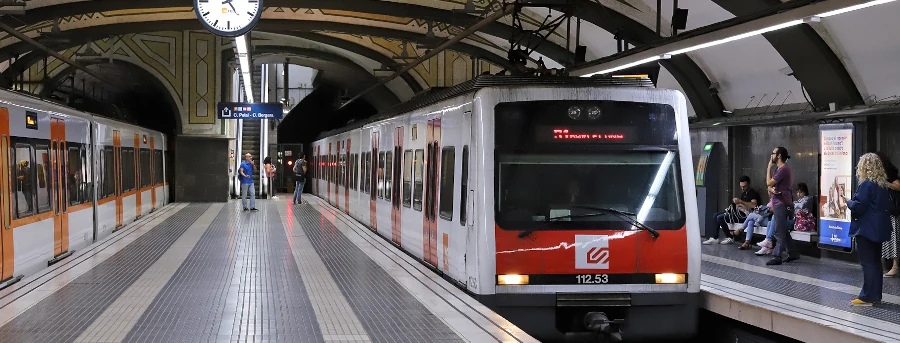
The “Rodalies” suburban trains and the “FGC” light rail system ensure comprehensive connectivity for Barcelona’s surrounding areas (image: © Raymond Kiès).
#5 Hop-on-Hop-off Buses in Barcelona
In addition to the classic modes of public transportation, Barcelona also offers so-called hop-on-hop-off buses, which are designed specifically for tourists.
These sightseeing buses run on fixed routes throughout the city and stop at many of Barcelona’s most important attractions.
Important: Hop-on-hop-off buses are not part of Barcelona’s public transport system and require separate tickets.
➡️ More information about Hop-on-Hop-off buses (provider comparison, prices 2026…)
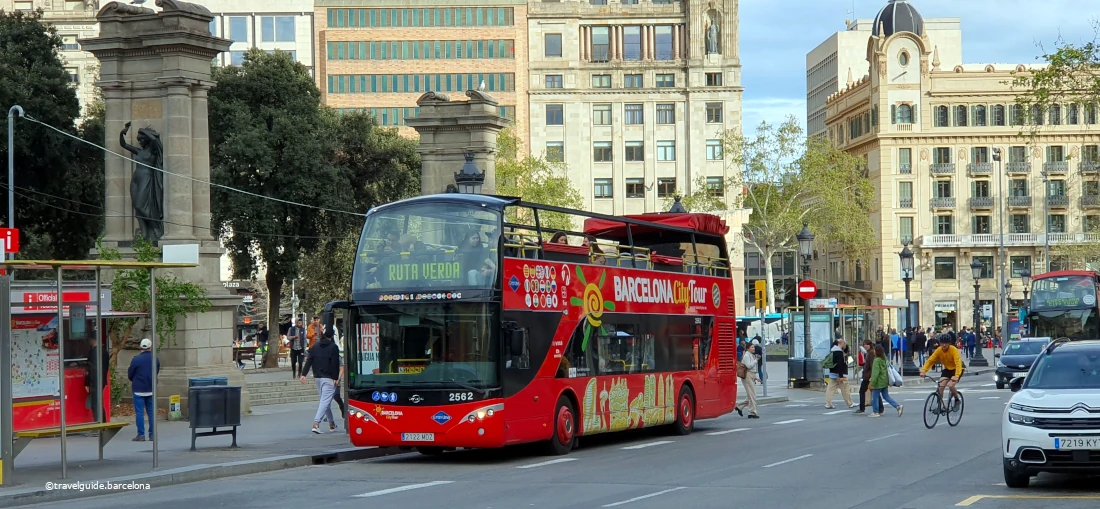
With hop-on-hop-off buses, visitors can explore Barcelona in a comfortable and flexible way.
#6 Cable Cars and Funiculars in Barcelona
Barcelona also has several cable cars and one funicular railway. Visitors often confuse them, but they differ significantly in terms of route, function, and ticket validity.
➡️ More information: Barcelona cable cars, funicular railway & tickets
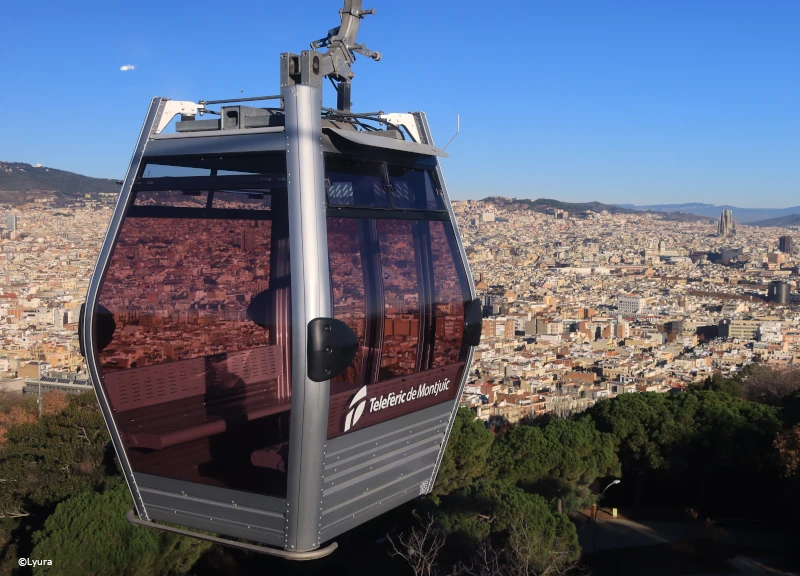
The Telefèric de Montjuïc cable car offers beautiful views over Barcelona and saves visitors the steep uphill walk.
How to get around Barcelona?
Barcelona boasts a dense and well-developed public transport network. You can choose between the metro, bus, tram or suburban railway. This way you can explore the city comfortably.
More information about public transportation in Barcelona, along with helpful tips, can be found in our online travel guide.
Is public transportation in Barcelona useful for tourists?
Barcelona has a dense and well-developed local transport system.
For tourists and visitors to the city, public transport is the number one means of transport. Parking in the city center is expensive and traffic jams are common.
More information about public transport in Barcelona and helpful tips can be found in our online travel guide.
How much does a local transport ticket cost in Barcelona 2026?
A one-way ticket for local transport costs €2.90 in 2026.
Interesting for visitors of the city is the day ticket “Hola BCN”. With the “Hola BCN” ticket you can use the metro (including airport transfer), the city buses, the tram , the suburban train (Rodalies, zone 1), the suburban trains (FGC, zone 1) and the funicular / funicular (Funicular de Montjuïc) unlimited over the validity period (2, 3, 4 or 5 days).
For more up-to-date information and tips, please visit our online travel guide.